

The Big Shift: How Asia’s Super-Rich Are Dialling Back Dollar Exposure
OPINION
By Roger Tan
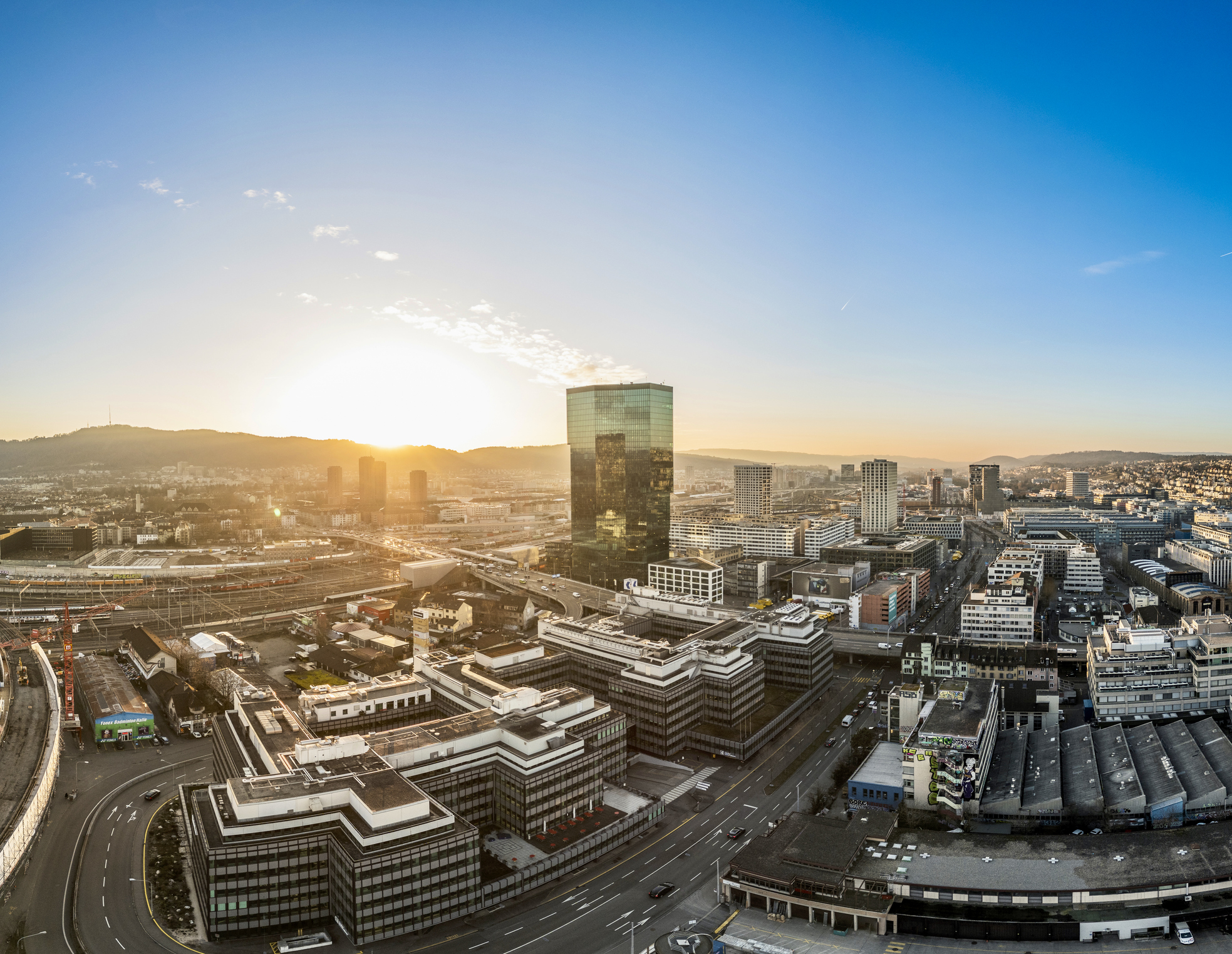
Zurich from Above. Credit: mr-fox / Adobe Stock
For decades, Asia and the Middle East’s ultra-wealthy viewed the US dollar as the bedrock of wealth preservation. Their family offices parked extensive capital in dollar-denominated Treasuries, equities, real estate, private equity and corporate debt.
That dominance is now under threat. As the US Fed cuts rates, dollar allocations are being pared back – accelerated by the Iran conflict, trade war anxieties, oil price volatility, inflation fears and currency volatility.
From Safe Haven to Concentration Risk
The US once embodied stability for global investors. Swelling government debt and bouts of political brinkmanship have chipped away at its aura as an unshakeable refuge.
For the super-rich whose businesses earn in Singapore dollars, yuan or rupees, a strong or erratic dollar now poses headaches. Currency mismatches can erode real returns, and hedging those exposures – while possible – often wipes out much of the yield.
Valuations add further pressure. US equities and prime property are now richly priced, leaving thinner upside once currency risk is factored in. By contrast, select markets in Asia and Europe offer stronger growth and more attractive entry points – often in non-dollar currencies, including the Swiss franc.
Where’s the Smart Money Going?
UBS’s 2025 Global Family Office Report provides some insight. It surveyed 317 single family offices with an average $2.7 billion in net worth and found 70% of them view trade wars as the biggest near-term threat. That was followed by major geopolitical conflict (52%) and higher inflation. Oil price volatility, inflationary pressure and resulting concerns on economic growth are likely to be featured prominently in the 2026 edition.
More than a third said “safe havens” were now harder to find. While some rich families are sitting tight waiting for the dust to settle, many are already quietly diversifying.
Leading APAC currencies are widely expected to strengthen against the dollar in 2025, led by the yen, Taiwan dollar and Australian dollar. Meanwhile gold, the euro and the Swiss franc are seen as strong defensive alternatives.
The New Non-Dollar Playbook
Diversification is driving the shift. Family offices are realigning portfolios to reduce correlation with U.S. monetary policy and currency cycles. Common tactics include:
- Trimming U.S. equities and treasuries, while expanding exposure to Japan, India, Southeast Asia and Switzerland.
- Increasing allocations to real estate, private equity, infrastructure and commodities, many with local-currency returns.
- Holding liquidity in euros, yen, dirhams, renminbi and increasingly Swiss francs.
- Raising exposure to real assets in stable jurisdictions, particularly Switzerland.
Swiss Franc: The Quiet Hedge
For Asia’s and the Gulf’s most sophisticated investors, Swiss franc–denominated real estate has become a quiet anchor for stability and wealth preservation.
CHF remains one of the world’s most stable currencies, supported by disciplined monetary management, low inflation and political neutrality. The currency’s modest but steady appreciation over the past decade make it attractive for wealth preservation.
Swiss prime property – from Zurich offices to St. Moritz Alpine residences – offer both hard-asset protection and a currency hedge. Real estate returns may be moderate in nominal terms, but in real terms they have outperformed many USD assets on a risk-weighted basis and once adjusted for inflation and currency movements.
For family offices valuing longevity and discretion, Switzerland’s strong legal protection, transparent market and world-class infrastructure fit the multi-generational wealth model perfectly.
Risks and Trade-Offs
Moving away from the dollar is not without cost. Non-dollar assets can be less liquid and face wider bid-ask spreads. Hedging local currencies can be expensive or impractical.
Swiss property lacks the ready liquidity of other financial markets, while trimming too much dollar exposure risks missing out when U.S. assets outperform or the USD strengthens.
Most rich are proceeding cautiously for now. Most Asian and Middle East family offices still have about half of their portfolios invested in North America, according to UBS. This is evolution, not revolution – a strategic rebalancing rather than a structural flight out of the dollar.
The Broader Picture
The implications are far-reaching. As more capital flows into non-dollar markets, Asian and European financial systems could see deeper liquidity in equities, bonds and infrastructure projects. A stronger appetite for local-currency assets may also encourage regulatory reforms and more sophisticated FX markets.
Globally, reduced demand for dollars could – over time – nudge U.S. treasury yields higher and diversify global reserve holdings. Yet at the family office level, the motive remains clear: long-term wealth resilience, not short-term currency bets.
Generational Recalibration
The quiet re-weighting away from the dollar marks a generational and strategic shift. For Asia’s and the Middle East’s dynastic fortunes, the move away from the dollar is not about ideology but a pragmatic response to risk and valuations in a messier world – one defined by shifting trade blocs, currency realignments and fragile geopolitics.
Swiss franc-based real estate encapsulates this thinking perfectly: tangible, transparent and trusted.
The dollar will no doubt remain indispensable – but for the world’s most enduring fortunes, it will increasingly share the stage with a more diversified cast of currencies and assets built for long-term preservation in an uncertain age.

Roger Tan is a Senior Partner and CIO of Club Estate, a private markets investment advisory firm based in Zurich, with offices in Luxembourg, Singapore and Hong Kong