

From Sushi to Swiss Chocolate: Why Asia’s Ultra-Rich Are Changing Tastes in Swiss Franc Carry Investing
OPINION
By Dr. Marcus Sasse
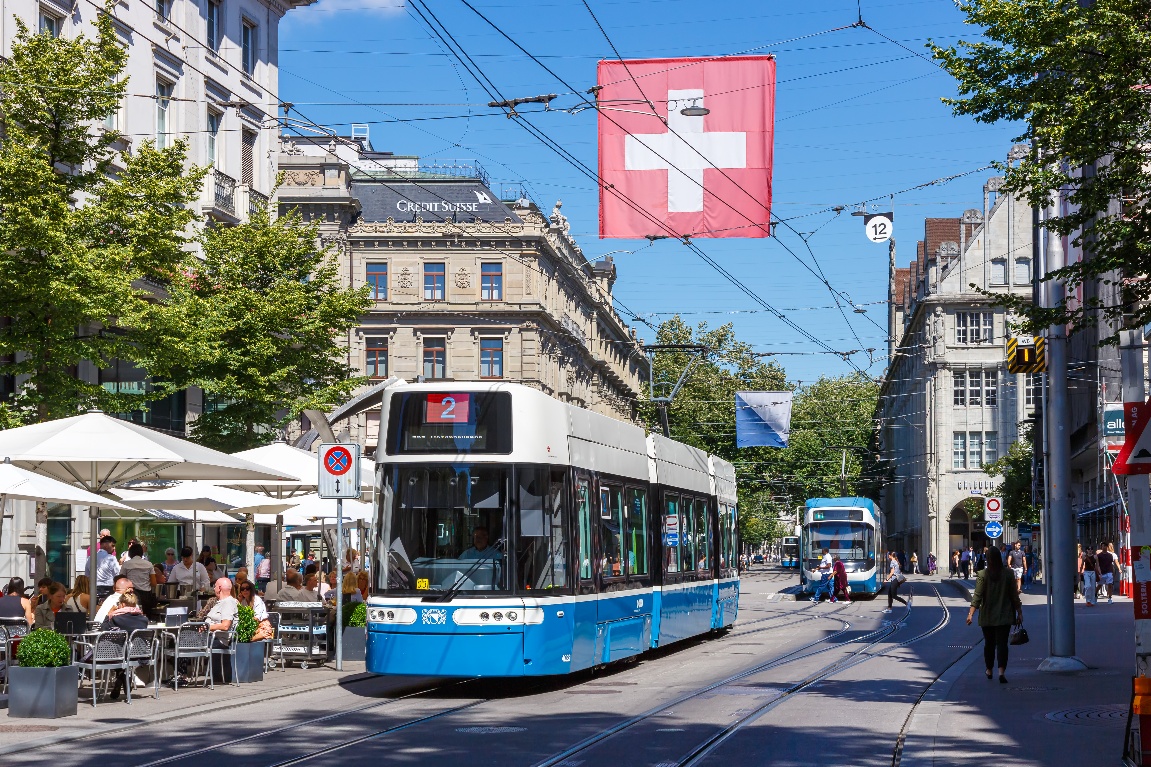
Bahnhofstrasse – Zurich’s most prestigious retail and commercial street. Credit: Boarding1Now
For years, Japan’s yen was the currency of choice for Asia’s wealthy investors seeking to profit from carry trades. But as Japan raises interest rates and Switzerland cuts them to zero, the Swiss franc is quickly becoming the new flavour of choice.
Carry trades profit by borrowing in a currency with low interest rates and investing in assets that offer higher returns. The profit comes from the difference in interest rates, and potential gains in the asset itself.
In the early 2000s, a classic example was borrowing in yen – where rates were near zero – and investing in Australian dollars, which offered much higher yields. Today, one example might be borrowing low interest Swiss francs and using the proceeds to invest in prime Swiss commercial real estate, profiting from rental income and potential capital gains. That is, if you can get your hands on any – Swiss prime property is notoriously hard to access, but more on that later.
While carry trades are typically short- to medium-term plays, carry investing takes a longer-term view. It uses the same principle – borrowing cheaply to invest in higher-yielding assets – but applies it to portfolio construction aiming for steady returns over time.
Carry strategies work best in calm markets. When exchange rates are stable, investors can hold positions without worrying about sudden currency swings.
Japan’s surprise rate hikes in 2024 triggered yen strength and market volatility, sparking a wave of unwinding of carry positions. When the borrowed currency rises, repayments become costlier – eroding profits unless hedged. With government debt over 250% of GDP, Japan’s currency is vulnerable to sentiment shifts.
In contrast, Switzerland offers low inflation, economic stability, and safe-haven appeal for the super-rich. The Swiss National Bank cut its policy rate to zero in June 2025, and the Swiss Bankers Association says there’s even a possibility of returning to negative rates.
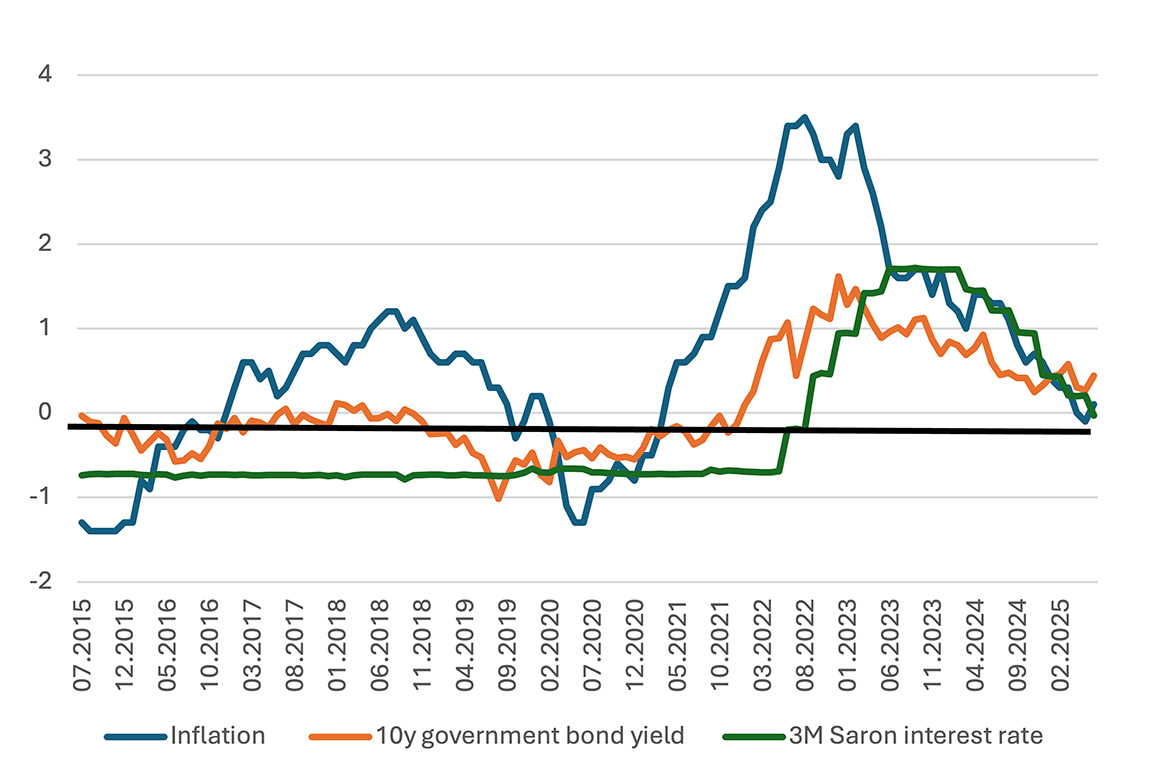
Source: Macro Real Estate, Bloomberg
The Swiss franc (CHF) has appreciated by an average of 0.68% per year against the Singapore dollar over the past decade, reinforcing its reputation as a stable currency. But stability doesn’t mean risk-free. To protect against sudden swings, many financial institutions recommend hedging currency exposure.
Once you’ve borrowed in Swiss francs, the next question is how to deploy the funds. Swiss commercial prime real estate stands out as a compelling option. It offers steady income, long-term capital appreciation, and resilience in turbulent times.
CHF outperformed the US and Europe in turbulent times during the Global Financial Crisis, Euro Crisis as well as recent geopolitical and inflationary shocks.
Prime commercial properties in Zurich, Geneva, Lausanne, and Basel are in short supply due to strict building regulations. Demand remains strong, but most key buildings in these cities are held by Swiss pension funds and insurers, who rarely sell.
Net rental yields in 2025 range from around 1.9% for offices in Zurich to 3.2% for retail in Basel, according to Swiss real estate analytics firm Wüest Partner. Over the past decade, average net yields have hovered around 3.4% to 3.5%, outperforming residential property, it said.
Switzerland may be small, but its highly open economy is home to the HQs of global industry leaders including Nestle, Roche, Novartis, Swatch, UBS, Swiss Life and Swiss Re. It’s also a rising tech hub – Google developed its Maps technology there.
The country’s transparency, strong legal protections, and high-quality tenants make Swiss real estate a standout choice for those able to gain access.
In today’s multi crises world, Swiss chocolate isn’t just a treat – it’s a strategy.

Dr. Marcus Sasse is the Founder and CEO of Club Estate, a private markets investment advisory based in Zurich, with offices in Singapore and Hong Kong.